

Assess proportions as well as the size label
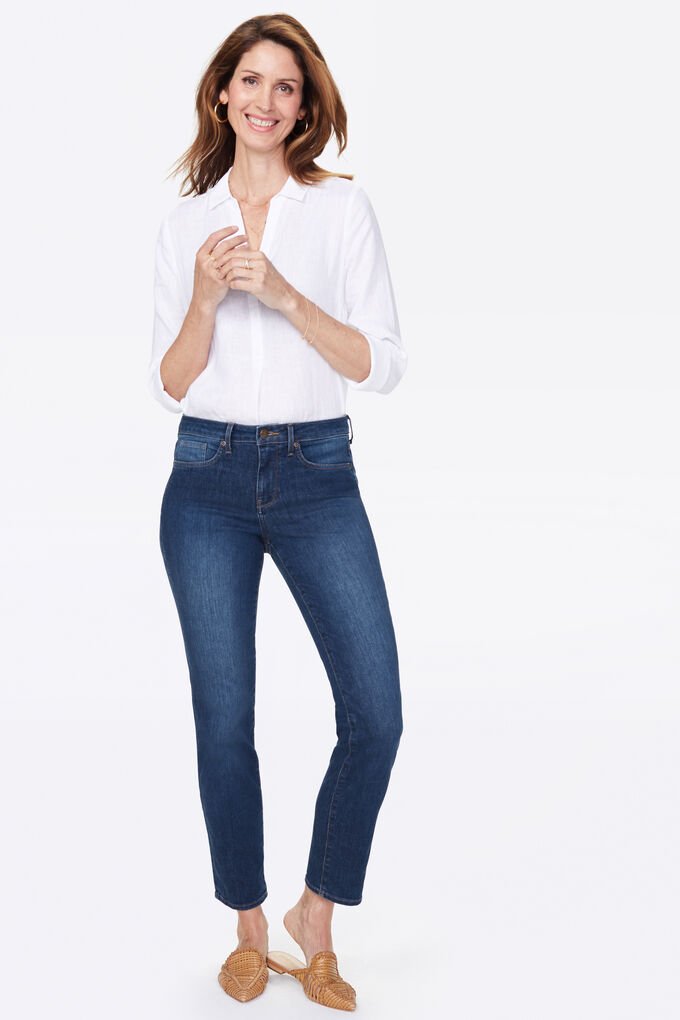
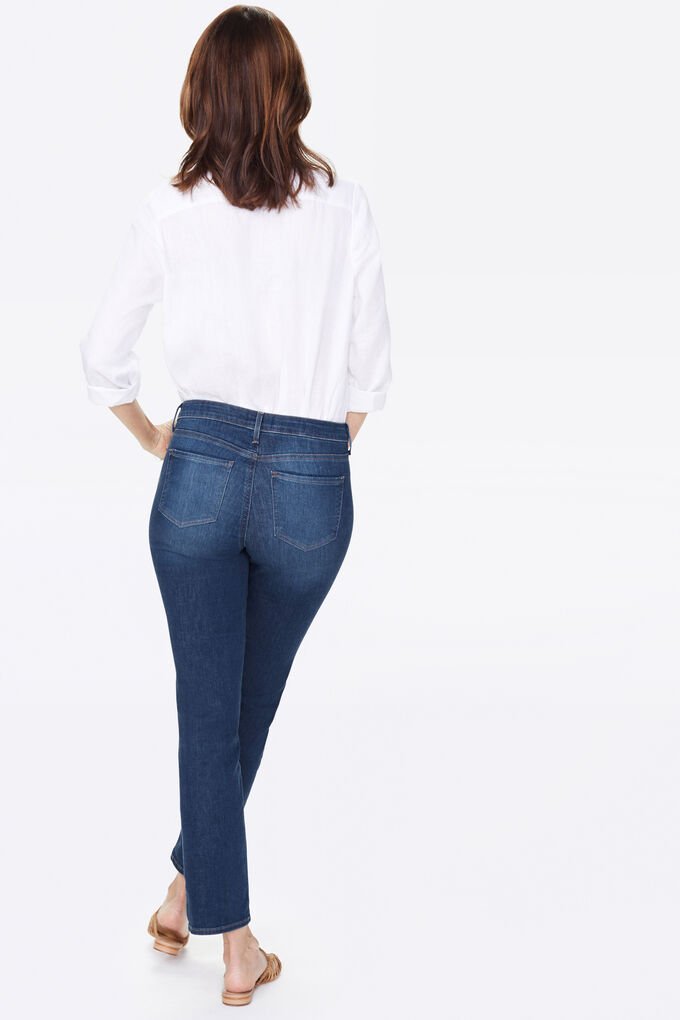
Explore related collections
VIP mailing list members who have reached VIP level receive 10% off eligible full-price fashion. See the VIP programme terms.
Petite Clothing Frequently Asked Questions
Petite refers to garment proportions for a shorter frame, while the size number relates to body measurements within a label’s system. Check the individual product information for a stated petite cut. A smaller standard-size garment may change the fit through the body without placing its waist, knee or hem where you want them.
Consider the rise, seat and knee position before deciding whether an alteration will achieve the result you want. Changing the hem addresses length, while the rest of the garment keeps its original proportions. Compare the measurements and try the intended shoes, then discuss the particular alteration if you need one.
Compare your waist and hip measurements with the label’s chart and read the rise and fit notes. Look at the room through the seat and thigh as well as the leg shape. Try sitting and bending, then check the hem with the shoes you intend to wear most often.
Assess the hem with the shoes you plan to wear, as a change in sole or heel height can change where it sits. Use any stated inseam or garment measurement as a guide. If considering alterations, settle the fit through the waist and hips before deciding the final length.
Use each pair’s care label rather than a single routine for the whole collection. Check washing, drying and ironing instructions, particularly where a fabric has stretch, a coating or a surface detail. Read the product’s care information before buying so you can choose trousers that suit your usual maintenance routine.
Delivery information
Check our delivery policy for current shipping charges, dispatch guidance and delivery estimates, including sale and outlet exclusions.